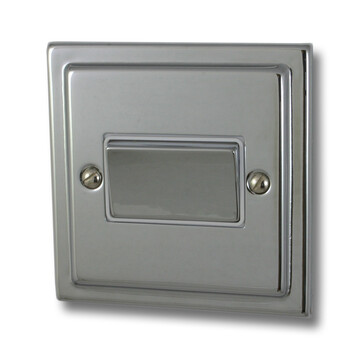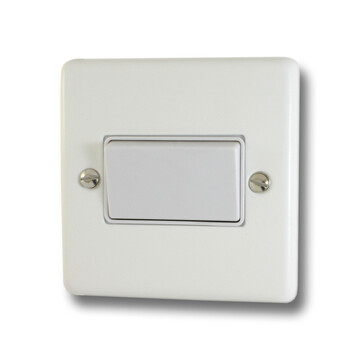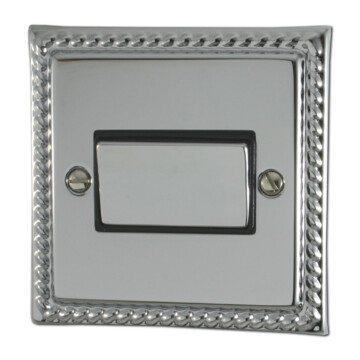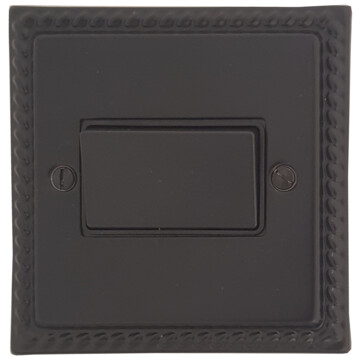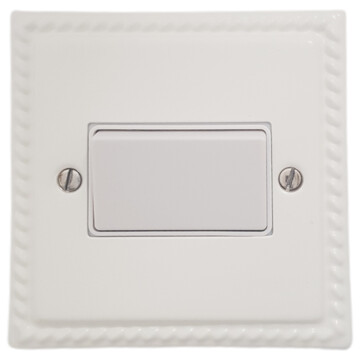
What Is a Fan Isolator Switch?
A fan isolator switch is a switch that isolates a bathroom extractor fan, usually from outside the bathroom. It allows the fan to keep running for a set period after the light is switched off, using both a permanent live and a switched live connection.
How does a fan isolator switch work?
A fan isolator switch has both a permanent live and a switched live. This allows you to connect a light switch to an extractor fan: when the light switch is turned on, the fan also turns on. Once the light switch is turned off, the fan continues to run for a set period of time. This delay is controlled by a timer built into the extractor fan itself.
To achieve this, you need a switched live, to trigger the fan to switch on, and a permanent live, that stays live, to keep the fan running during its timed run-on period. A fan isolator switch provides both of these connections in one fitting.
Where is a fan isolator switch fitted?
Because fan isolator switches are typically used for bathroom extractor fans, and standard sockets and switches aren't permitted within bathroom zones, the isolator switch is usually fitted just outside the bathroom itself. See our shaver sockets and bathroom electrical legislation guide for more detail on what is and isn't permitted within bathroom zones.
Frequently Asked Questions
What is a fan isolator switch?
A fan isolator switch isolates a bathroom extractor fan, typically from outside the bathroom, and provides both a permanent live and a switched live connection so the fan can run on for a set period after the light is switched off.
Why does a fan isolator switch need two live connections?
The switched live triggers the fan to turn on with the light. The permanent live keeps the fan powered during its timed run-on period after the light switch is turned off.
Can a fan isolator switch be fitted inside the bathroom?
Bathroom zones restrict what electrical fittings can be installed and where. See our bathroom electrical legislation guide for full detail, and always consult a qualified electrician.
Related guide: Shaver Sockets and Bathroom Electrical Legislation.